Decora: The Vibrant Japanese Fashion Subculture That Redefines Self-Expression
Decora fashion is one of Japan’s most colorful and expressive street styles, originating from the Harajuku district in Tokyo during the late 1990s and early 2000s. Known for its playful layering of accessories, bright colors, and whimsical aesthetic, Decora is more than just a fashion trend—it’s a statement of individuality and joy. The word “Decora” comes from the English word “decoration,” perfectly describing the style’s essence: to decorate oneself with as many accessories and vibrant pieces as possible. Over the years, Decora has evolved from a niche subculture into a global symbol of creativity and self-expression. This article explores the origins, characteristics, and influence of fashion, along with tips for embracing the style and answers to common questions about this unique cultural phenomenon.
What Is Decora Fashion?
Decora fashion is a Japanese street style characterized by its colorful, layered, and accessory-heavy aesthetic. It celebrates maximalism, where “more is more,” and every outfit becomes a canvas for creativity. The style typically features bright clothing, often in shades of pink, neon, or pastel, combined with an abundance of accessories such as hair clips, bracelets, necklaces, and stickers. Decora enthusiasts often wear multiple layers of clothing, mixing patterns like polka dots, stripes, and cartoon prints. The goal is not to match but to create a joyful explosion of color and texture. Makeup is equally playful, with glitter, stickers, and bold eye colors enhancing the overall look. Decora fashion is not about following trends—it’s about expressing happiness, individuality, and freedom through personal style.
The History and Origins of Decora Fashion in Japan
The Decora fashion movement emerged in the late 1990s in Harajuku, a district in Tokyo known for its youth culture and experimental street fashion. It was heavily influenced by Japanese pop culture, including anime, kawaii (cute) aesthetics, and the playful designs of brands like 6%DOKIDOKI. The rise of magazines such as FRUiTS helped popularize the style, showcasing young people who used fashion as a form of self-expression. Unlike other subcultures that focused on rebellion or darkness, Decora was rooted in positivity and fun. It became a way for young people to escape societal pressures and embrace creativity without judgment. Over time, Decora evolved into different variations, such as Pink which focuses on pastel tones, and Dark Decora, which incorporates gothic elements while maintaining the signature layered look. Although its popularity peaked in the early 2000s, Decora remains an iconic representation of Harajuku’s vibrant fashion scene.
How to Dress in Decora Style
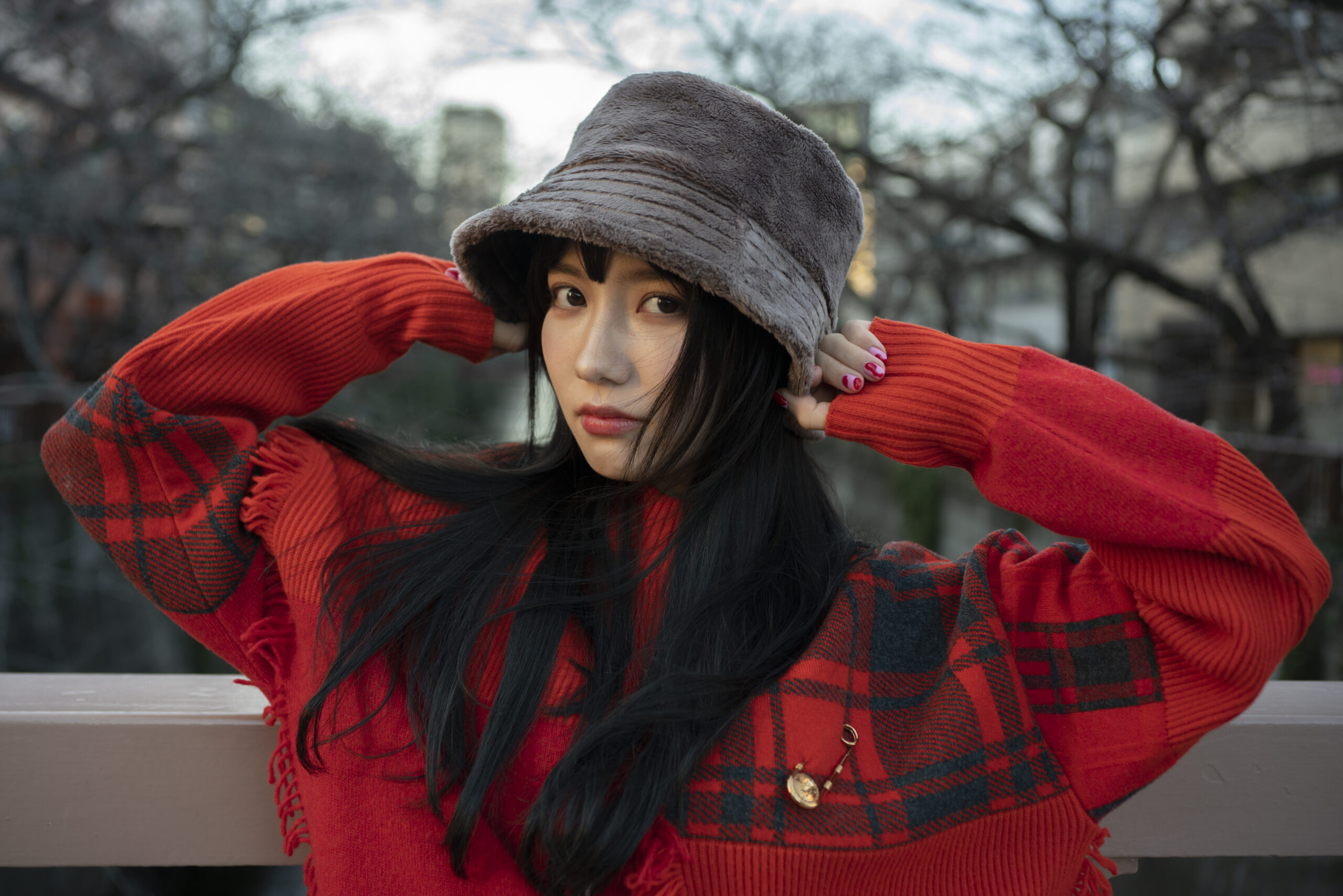
Dressing in Decora style is all about embracing creativity and having fun with fashion. Start with a colorful base—think graphic T-shirts, layered skirts, or patterned leggings. The key is to mix and match without worrying about coordination. Next, add layers of accessories: hair clips, bracelets, necklaces, and pins are essential. Many enthusiasts wear dozens of hair clips at once, often featuring cute motifs like stars, hearts, bows, and cartoon characters. Stickers and bandages are sometimes placed on the face as decorative elements, adding to the playful aesthetic. Footwear typically includes sneakers or platform shoes in bright colors, often paired with patterned socks or leg warmers. Makeup should be bold yet cheerful, with glitter, blush, and colorful eyeshadow enhancing the look. The most important rule of fashion is self-expression—there are no limits or strict guidelines, only the freedom to create a look that reflects one’s personality and mood.
Modern Decora Fashion Trends and Global Influence
While Decora fashion originated in Japan, its influence has spread worldwide, inspiring fashion enthusiasts across Asia, Europe, and North America. Social media platforms like Instagram, TikTok, and YouTube have played a major role in reviving interest in the style, allowing a new generation to reinterpret in fresh and innovative ways. Modern Decora often blends traditional elements with contemporary streetwear, incorporating pastel tones, oversized silhouettes, and digital-inspired accessories. The global appeal of lies in its inclusivity—it welcomes people of all backgrounds to express themselves freely through color and creativity. Many fashion designers and artists have drawn inspiration from bold aesthetic, integrating its playful spirit into mainstream fashion collections. Despite evolving trends, the core philosophy of Decora remains unchanged: to celebrate individuality, positivity, and the joy of self-expression.
The Cultural Significance of Decora Fashion
Beyond its visual appeal, Decora fashion holds deep cultural significance as a form of self-empowerment and resistance against conformity. In a society that often values uniformity, provides a space for people—especially young women—to express their identities without fear of judgment. It challenges traditional beauty standards by embracing imperfection, chaos, and creativity. The movement also fosters a sense of community, where individuals connect through shared passion and mutual support. Decora gatherings, both in Japan and abroad, serve as safe spaces for people to celebrate their love for fashion and individuality. In this way transcends clothing—it becomes a lifestyle and a statement of freedom.
Conclusion
Decora fashion is a celebration of color, creativity, and individuality that continues to inspire people around the world. What began as a small street style movement in Harajuku has grown into a global symbol of self-expression and positivity. Its playful aesthetic, rooted in joy and imagination, reminds us that fashion is not just about trends—it’s about telling a story and embracing who we are. Whether through layers of accessories, bold colors, or whimsical details, Decora encourages everyone to find beauty in self-expression and confidence in uniqueness. As the world becomes more connected and diverse, the spirit of Decora remains timeless—a reminder that fashion can be both art and empowerment.