Full Mouth Dental Implants Cost: A Complete Guide to Pricing, Procedure, and Value
Full mouth dental implants have revolutionized modern dentistry, offering a permanent and natural-looking solution for individuals who have lost most or all of their teeth. Unlike traditional dentures, which can slip or cause discomfort, dental implants provide a stable and long-lasting foundation for replacement teeth. However, one of the most common questions patients ask is about the full mouth dental implants cost. Understanding the factors that influence pricing, the types of implants available, and the long-term benefits can help make an informed decision. This comprehensive guide explores everything about full mouth dental implants—from cost breakdowns and financing options to the advantages that make them a worthwhile investment in oral health and confidence.
What Are Full Mouth Dental Implants?
Full mouth dental implants are a restorative dental procedure designed to replace all missing teeth in the upper and lower jaws. Instead of using individual implants for each tooth, dentists strategically place four to eight implants per arch to support a full set of prosthetic teeth. This approach provides a secure, natural-looking smile that functions just like real teeth. The implants are made of titanium or zirconia, materials known for their strength and biocompatibility. Over time, they fuse with the jawbone through a process called osseointegration, ensuring stability and durability.
Understanding Full Mouth Dental Implants Cost
The cost of full mouth dental implants can vary widely depending on several factors, including the type of implant system used, the materials chosen, the dentist’s expertise, and the geographic location of the clinic. On average, the cost for a full mouth restoration can range from $20,000 to $50,000 per arch, with some premium treatments exceeding $60,000. While this may seem expensive, it’s important to consider that dental implants are a long-term investment that can last decades with proper care. Unlike dentures or bridges that require frequent replacements, implants offer a permanent solution that enhances both function and aesthetics.
Factors That Affect Full Mouth Dental Implants Cost
1. Type of Implant Procedure
There are different types of full mouth implant procedures, such as All-on-4, All-on-6, and All-on-8 dental implants. The All-on-4 technique uses four implants per arch, making it more cost-effective, while All-on-6 or All-on-8 provides additional stability but at a higher cost. The choice depends on bone density, oral health, and the patient’s specific needs.
2. Materials Used
The materials used for both the implants and the prosthetic teeth significantly influence the overall cost. Titanium implants are the most common and affordable, while zirconia implants are more expensive but offer superior aesthetics and biocompatibility. Similarly, prosthetic teeth made from acrylic are cheaper than those made from porcelain or zirconia, which provide a more natural appearance and greater durability.
3. Dentist’s Experience and Location
The expertise of the dental surgeon plays a major role in determining the cost. Highly experienced implant specialists may charge more due to their advanced skills and success rates. Additionally, the cost of living in a particular region affects dental pricing. For example, dental implant procedures in major cities or developed countries tend to be more expensive than in smaller towns or countries offering dental tourism.
4. Additional Procedures
Some patients may require preparatory treatments before implant placement, such as bone grafting, sinus lifts, or tooth extractions. These additional procedures can increase the total cost but are essential for ensuring the success and longevity of the implants.
5. Type of Restoration
The type of restoration used—whether a fixed bridge, removable overdenture, or hybrid denture—also impacts the cost. Fixed bridges are more expensive but provide the most natural feel and stability, while removable overdentures are more affordable but may require periodic adjustments.
Average Cost Breakdown of Full Mouth Dental Implants
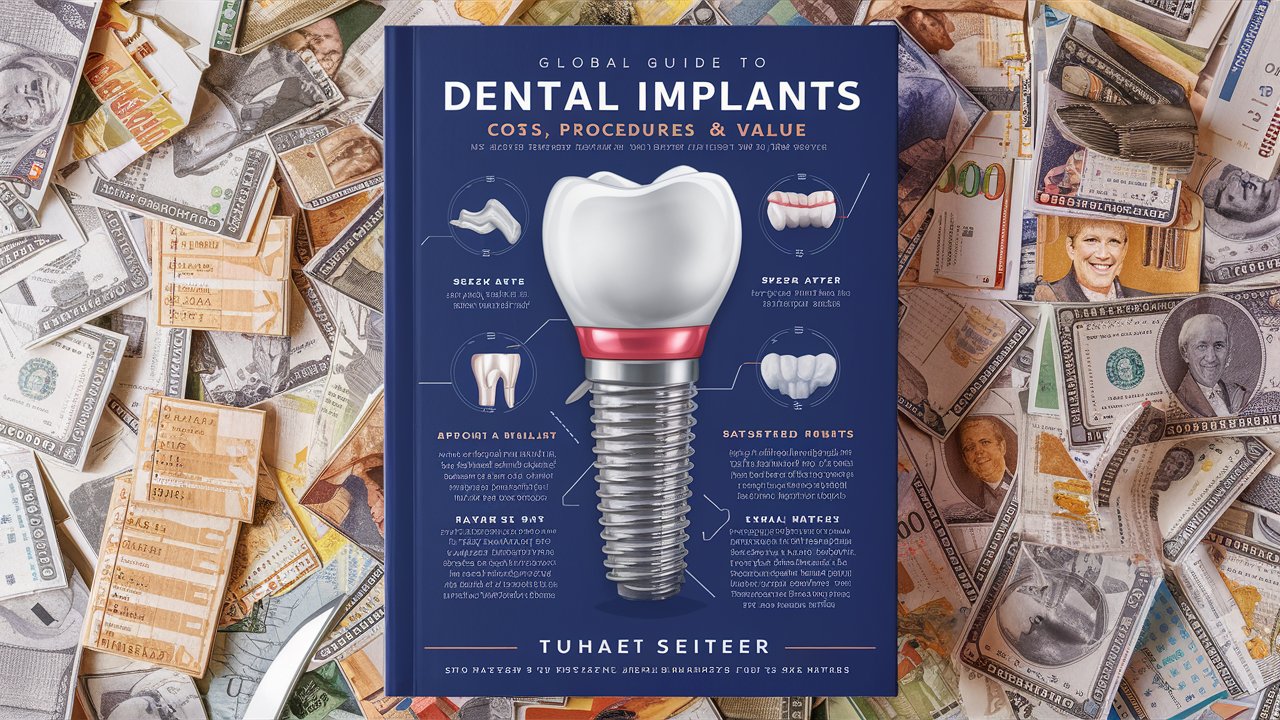
A typical cost breakdown for full mouth dental implants includes:
- Consultation and diagnostic imaging: $300 – $800
- Implant placement surgery: $10,000 – $25,000 per arch
- Abutments and connectors: $2,000 – $5,000
- Prosthetic teeth (bridge or denture): $5,000 – $15,000
- Additional procedures (if needed): $1,000 – $5,000
Overall, the total cost for both upper and lower arches can range between $40,000 and $80,000, depending on the complexity of the case and the materials used.
Are Full Mouth Dental Implants Worth the Cost?
While the upfront cost of full mouth dental implants may seem high, the long-term benefits make them a valuable investment. Implants restore full chewing ability, allowing patients to enjoy all types of food without discomfort. They also prevent bone loss in the jaw, which commonly occurs after tooth loss, preserving facial structure and preventing premature aging. Additionally, implants eliminate the inconvenience of removable dentures, providing a permanent, low-maintenance solution that looks and feels natural. Over time, the durability and functionality of implants often make them more cost-effective than other tooth replacement options.
Financing and Insurance Options
Many dental clinics offer flexible financing plans to make full mouth dental implants more affordable. Patients can choose monthly payment options or third-party financing through healthcare credit providers. While most dental insurance plans do not cover the full cost of implants, some may cover portions related to extractions, imaging, or crowns. It’s advisable to check with the insurance provider and the dental clinic to explore available payment options and potential discounts.
How to Choose the Right Dentist for Full Mouth Dental Implants
Selecting the right dentist is crucial for achieving successful results. Look for a dental implant specialist with extensive experience, advanced training, and positive patient reviews. A reputable clinic should provide a detailed treatment plan, transparent pricing, and before-and-after photos of previous cases. It’s also important to ensure that the clinic uses high-quality materials and advanced technology, such as 3D imaging and guided implant surgery, to enhance precision and safety.
Conclusion
Full mouth dental implants represent a life-changing solution for individuals seeking to restore their smile, confidence, and oral health. Although the full mouth dental implants cost may seem significant, the long-term benefits far outweigh the initial investment. With proper care, implants can last a lifetime, offering unmatched comfort, stability, and aesthetics. By understanding the factors that influence cost and exploring financing options, patients can make informed decisions that lead to lasting satisfaction and improved quality of life.
Frequently Asked Questions
1. How much do full mouth dental implants cost on average?
The average cost ranges from $40,000 to $80,000 for both arches, depending on the materials, procedure type, and location.
2. Are full mouth dental implants covered by insurance?
Most dental insurance plans do not cover the full cost, but some may cover parts of the procedure, such as extractions or crowns.
3. How long do full mouth dental implants last?
With proper care and maintenance, dental implants can last 20 years or more, and in many cases, they last a lifetime.
4. What is the difference between All-on-4 and traditional implants?
All-on-4 uses four implants per arch to support a full set of teeth, making it more cost-effective and less invasive than placing individual implants for each tooth.
5. Do full mouth dental implants look natural?
Yes, modern implants are designed to mimic the appearance and function of natural teeth, providing a realistic and aesthetically pleasing smile.
6. Is the procedure painful?
The procedure is performed under anesthesia, so patients experience minimal discomfort. Mild soreness may occur during recovery but typically subsides within a few days.
7. Can I eat normally with full mouth dental implants?
Yes, once healed, implants restore full chewing ability, allowing patients to eat all types of food comfortably.
8. How long does the full mouth dental implant process take?
The entire process can take several months, depending on healing time and whether additional procedures like bone grafting are required.
9. Are there affordable alternatives to full mouth dental implants?
Removable dentures and implant-supported overdentures are more affordable alternatives, though they may not offer the same stability or longevity as full implants.
10. Why are full mouth dental implants considered a good investment?
They provide a permanent, natural-looking solution that improves oral health, prevents bone loss, and enhances overall quality of life, making them a worthwhile long-term investment.