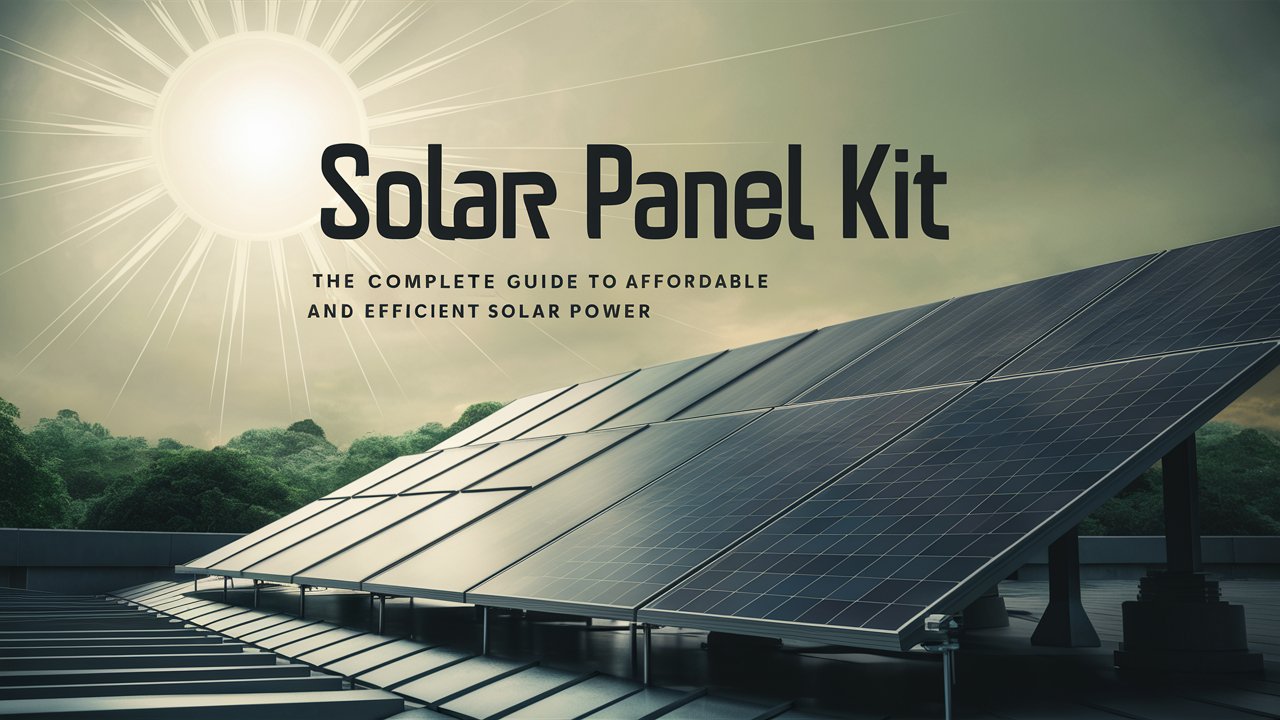
Solar Panel Kit: The Complete Guide to Affordable and Efficient Solar Power
A solar panel kit is one of the most practical and cost-effective ways to harness renewable energy for homes, businesses, and off-grid applications. As the demand for clean energy continues to rise, solar panel kits have become increasingly popular among homeowners and outdoor enthusiasts who want to reduce electricity bills and minimize their carbon footprint. These kits come with all the essential components needed to generate solar power, including solar panels, charge controllers, inverters, and mounting hardware. Whether for residential rooftops, RVs, boats, or remote cabins, a solar panel kit provides a convenient and efficient solution for sustainable energy generation. This comprehensive guide explores everything about solar panel kits—their types, benefits, installation process, and cost—to help make an informed decision when switching to solar energy.
What Is a Solar Panel Kit?
A solar panel kit is a pre-packaged set of components designed to capture sunlight and convert it into usable electricity. It typically includes solar panels, a charge controller, an inverter, wiring, and mounting brackets. Some advanced kits also come with batteries for energy storage, allowing users to access power even when the sun isn’t shining. The main advantage of a solar panel kit is its convenience—it eliminates the need to purchase each component separately and ensures compatibility between all parts. These kits are available in various sizes and capacities, making them suitable for different energy needs, from small portable systems for camping to large residential setups capable of powering an entire home.
Types of Solar Panel Kits
1. Grid-Tied Solar Panel Kits
Grid-tied solar panel kits are connected directly to the main power grid. They allow users to generate their own electricity while still having access to utility power when needed. Excess energy produced by the panels can be sent back to the grid, often earning credits through net metering programs. These kits are ideal for homeowners who want to reduce electricity bills without relying entirely on battery storage.
2. Off-Grid Solar Panel Kits
Off-grid solar panel kits are designed for locations without access to the main power grid. They include batteries to store energy for nighttime or cloudy days. These systems are perfect for remote cabins, RVs, boats, and rural properties. While off-grid kits require a higher initial investment due to battery costs, they provide complete energy independence and reliability in areas where grid power is unavailable.
3. Hybrid Solar Panel Kits
Hybrid solar panel kits combine the benefits of both grid-tied and off-grid systems. They are connected to the grid but also include battery storage for backup power. This setup ensures continuous electricity supply even during power outages. Hybrid systems are becoming increasingly popular in regions prone to blackouts or where energy reliability is a concern.
4. Portable Solar Panel Kits
Portable solar panel kits are compact, lightweight, and easy to transport. They are commonly used for camping, RV trips, and outdoor activities. These kits usually include foldable solar panels, a small inverter, and a battery pack. Although they generate less power than residential systems, they are perfect for charging small devices, running lights, or powering portable appliances.
Benefits of Using a Solar Panel Kit
Investing in a solar panel kit offers numerous advantages beyond just saving money on electricity bills. The most significant benefit is sustainability—solar energy is clean, renewable, and environmentally friendly. By using solar power, households and businesses can significantly reduce their carbon emissions and dependence on fossil fuels. Additionally, solar panel kits provide long-term financial savings. Once installed, they generate free electricity for decades, with minimal maintenance costs. Many governments also offer tax credits, rebates, and incentives for installing solar systems, further reducing the overall cost. Moreover, solar panel kits increase property value, as homes equipped with solar energy systems are often more attractive to buyers.

How Solar Panel Kits Work
Solar panel kits operate by converting sunlight into electricity through photovoltaic (PV) cells. When sunlight hits the solar panels, the PV cells generate direct current (DC) electricity. This DC power is then sent to a charge controller, which regulates the voltage and prevents battery overcharging. The inverter converts the DC electricity into alternating current (AC), which is the standard form of electricity used in homes and businesses. In grid-tied systems, any excess electricity is sent back to the grid, while in off-grid systems, it is stored in batteries for later use. The efficiency of a solar panel kit depends on factors such as sunlight exposure, panel orientation, and the quality of components used.
Installation Process of a Solar Panel Kit
Installing a solar panel kit requires careful planning and precision to ensure maximum efficiency. The first step is to assess the energy needs and determine the appropriate system size. Next, the installation site must be evaluated for sunlight exposure, shading, and roof orientation. Once the panels are mounted, the wiring is connected to the charge controller, inverter, and batteries (if applicable). Safety measures, such as grounding and circuit protection, are essential to prevent electrical hazards. While some homeowners choose to install solar kits themselves, hiring a professional installer ensures compliance with local regulations and optimal system performance.
Cost of Solar Panel Kits
The cost of a solar panel kit varies depending on its size, capacity, and included components. Small portable kits can cost as little as $200 to $500, while residential systems range from $5,000 to $20,000 or more. Off-grid and hybrid systems tend to be more expensive due to the inclusion of batteries and advanced inverters. However, the long-term savings on electricity bills often offset the initial investment within a few years. Additionally, many regions offer solar incentives, tax credits, and financing options that make solar panel kits more affordable for homeowners and businesses.
Maintenance and Longevity
Solar panel kits require minimal maintenance compared to other energy systems. Regular cleaning of the panels ensures maximum sunlight absorption and efficiency. It’s also important to inspect wiring, connections, and mounting hardware periodically to prevent wear and tear. Most solar panels come with warranties of 20 to 25 years, and their performance typically remains above 80% efficiency even after two decades. Batteries, if included, may need replacement every 5 to 10 years depending on usage and quality. With proper care, a solar panel kit can provide reliable energy for decades.
Environmental Impact of Solar Panel Kits
Solar panel kits play a crucial role in promoting environmental sustainability. By generating electricity from sunlight, they reduce greenhouse gas emissions and dependence on non-renewable energy sources. Unlike fossil fuels, solar energy production does not release harmful pollutants or contribute to climate change. Additionally, advancements in solar technology have made panels more efficient and recyclable, further minimizing their environmental footprint. Adopting solar energy through solar panel kits is a practical step toward a cleaner, greener future.
Conclusion
A solar panel kit is an excellent investment for anyone seeking energy independence, cost savings, and environmental sustainability. With various types available—grid-tied, off-grid, hybrid, and portable—there’s a solution for every energy need and budget. While the initial cost may seem high, the long-term benefits of reduced electricity bills, increased property value, and a smaller carbon footprint make it a smart and responsible choice. As solar technology continues to advance, solar panel kits are becoming more efficient, affordable, and accessible, empowering individuals and businesses to embrace renewable energy and contribute to a sustainable future.
Frequently Asked Questions
1. What is included in a solar panel kit?
A typical solar panel kit includes solar panels, a charge controller, an inverter, wiring, and mounting hardware. Some kits also include batteries for energy storage.
2. How much does a solar panel kit cost?
The cost ranges from $200 for small portable kits to $20,000 or more for large residential systems, depending on size and components.
3. Can I install a solar panel kit myself?
Yes, many kits are designed for DIY installation, but professional installation is recommended for larger systems to ensure safety and compliance with local codes.
4. How long do solar panel kits last?
Most solar panels last 25 years or more, while batteries may need replacement every 5 to 10 years.
5. Do solar panel kits work on cloudy days?
Yes, solar panels still generate electricity on cloudy days, though at reduced efficiency compared to sunny conditions.
6. What size solar panel kit do I need for my home?
The required size depends on energy consumption, location, and sunlight availability. A professional assessment can help determine the ideal system size.
7. Are there government incentives for solar panel kits?
Yes, many regions offer tax credits, rebates, and grants to encourage solar energy adoption, reducing the overall cost of installation.
8. Can a solar panel kit power an entire house?
Yes, a properly sized residential solar panel kit can power an entire home, especially when combined with battery storage or grid connection.
9. How do I maintain my solar panel kit?
Regular cleaning and periodic inspections of wiring and connections are sufficient to maintain efficiency and longevity.
10. Why should I invest in a solar panel kit?
A solar panel kit provides long-term savings, energy independence, and environmental benefits, making it a smart investment for a sustainable future.