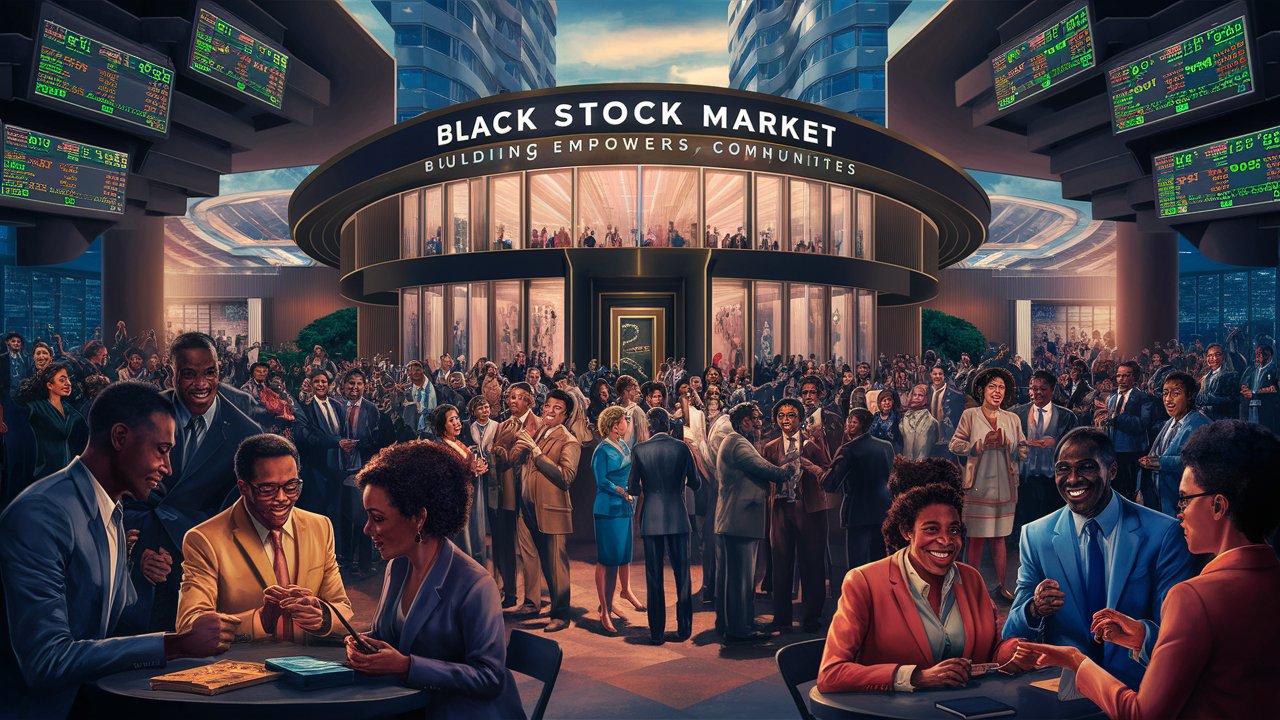
Black Stock Market: Building Wealth, Empowering Communities, and Closing the Economic Gap
The concept of the black stock market has gained significant attention in recent years as more individuals and organizations focus on economic empowerment within Black communities. Historically, systemic barriers have limited access to financial education, investment opportunities, and generational wealth for many Black families. However, the rise of financial literacy programs, Black-owned investment platforms, and community-driven initiatives is changing that narrative. The black stock market movement is not just about trading stocks—it’s about creating sustainable wealth, supporting Black-owned businesses, and fostering financial independence.
1. What Is the Black Stock Market?
The black stock market refers to the collective effort to increase participation, ownership, and investment among Black individuals and communities in the global financial markets. It also encompasses the growth of Black-owned companies listed on major exchanges and the creation of platforms that specifically support Black investors and entrepreneurs. The term symbolizes a movement toward financial inclusion, where Black investors are not only participants but also leaders in shaping economic trends. It’s about reclaiming financial power, breaking generational cycles of poverty, and building a foundation for long-term prosperity.
2. The History of Black Economic Empowerment
The roots of the black stock market movement can be traced back to the early 20th century, when Black entrepreneurs established thriving business districts such as Tulsa’s Greenwood District, famously known as “Black Wall Street.” These communities demonstrated the power of collective economics, where Black-owned banks, shops, and investment firms flourished. Unfortunately, systemic racism, segregation, and violent attacks destroyed many of these economic hubs. Despite these setbacks, the spirit of entrepreneurship and financial independence persisted. Today, the modern Black stock market movement draws inspiration from these historical successes, aiming to rebuild and expand economic power through education, investment, and ownership.
3. Why the Black Stock Market Matters
The is crucial because it addresses the racial wealth gap that continues to affect millions of people. According to various studies, the average wealth of Black families remains significantly lower than that of white families, largely due to historical inequities in access to capital, property ownership, and investment opportunities. By encouraging participation in the stock market, Black investors can leverage compound growth, dividends, and capital appreciation to build wealth over time. Moreover, investing in Black-owned businesses helps circulate money within the community, creating jobs, funding innovation, and strengthening local economies.
4. How the Black Stock Market Works
The operates on two levels: participation in mainstream financial markets and the development of community-based investment networks. On one hand, Black investors are increasingly buying shares in major corporations, mutual funds, and exchange-traded funds (ETFs). On the other hand, there is a growing emphasis on supporting Black-owned companies, startups, and cooperative investment groups. Platforms such as Greenwood Bank, The Black Wall Street app, and other fintech initiatives are designed to make investing more accessible and culturally relevant. These platforms provide tools for saving, trading, and learning about financial markets, empowering users to take control of their financial futures.
5. The Role of Financial Literacy in the Black Stock Market
Financial literacy is the cornerstone of the movement. Understanding how the stock market works, how to analyze investments, and how to manage risk is essential for long-term success. Many organizations and influencers are now offering workshops, online courses, and mentorship programs tailored to Black investors. These initiatives teach essential skills such as budgeting, credit management, portfolio diversification, and retirement planning. By equipping individuals with financial knowledge, the community can collectively make informed decisions that lead to sustainable wealth creation.
6. Investing in Black-Owned Businesses
One of the most impactful ways to support the is by investing directly in Black-owned businesses. These investments not only generate financial returns but also contribute to community development and job creation. Crowdfunding platforms and venture capital firms focused on minority entrepreneurs are helping bridge the funding gap that has historically limited Black business growth. When investors choose to back Black-owned companies, they are not just buying shares—they are investing in innovation, representation, and economic equality.
7. Challenges Facing the Black Stock Market
Despite the progress, several challenges still hinder the growth. Limited access to capital remains a major obstacle, as many Black entrepreneurs struggle to secure loans or attract investors. Additionally, systemic biases in the financial industry can make it difficult for Black investors to access the same opportunities as others. The lack of representation in financial institutions and corporate leadership also contributes to these disparities. Overcoming these challenges requires collective action, policy reform, and continued advocacy for diversity and inclusion in the financial sector.
8. The Rise of Black Investment Groups and Cooperatives
Black investment groups and cooperatives are playing a vital role in democratizing wealth creation. These groups pool resources from multiple members to invest in stocks, real estate, and businesses. By combining financial power, they reduce individual risk and increase access to larger investment opportunities. Cooperative investing also fosters community engagement and accountability, ensuring that profits are reinvested into local development projects. This model reflects the traditional African principle of collective economics, known as “Ujamaa,” which emphasizes shared prosperity and mutual support.
9. The Future of the Black Stock Market
The future of the looks promising as technology, education, and awareness continue to expand. With the rise of digital platforms, more people can participate in investing regardless of income level or background. The growing presence of Black financial advisors, influencers, and entrepreneurs is also reshaping the narrative around money and success. As more Black-owned companies go public and attract investors, the community’s economic influence will continue to grow. The ultimate goal is not just individual wealth but collective empowerment—creating a self-sustaining ecosystem where financial success benefits everyone.
10. How to Get Involved in the Black Stock Market
Getting involved in the black stock market begins with education and action. Start by learning the basics of investing through books, podcasts, and online courses. Open an investment account with a reputable brokerage or a Black-owned financial platform. Consider joining an investment club or cooperative to share knowledge and resources. Support Black-owned businesses by purchasing their products, investing in their stocks, or contributing to their crowdfunding campaigns. Most importantly, share financial knowledge with others to build a culture of wealth and empowerment within the community.
Conclusion
The black stock market represents more than just financial transactions—it symbolizes a movement toward equality, empowerment, and generational wealth. By participating in the stock market, supporting Black-owned businesses, and promoting financial literacy, individuals can help close the racial wealth gap and create lasting economic change. The journey toward financial independence requires education, collaboration, and persistence, but the rewards are transformative. The is not just about money—it’s about reclaiming power, building legacy, and shaping a future where prosperity is shared across generations.
FAQs
1. What is the Black stock market?
The Black stock market refers to the collective effort to increase financial participation, investment, and ownership among Black individuals and communities, focusing on wealth creation and economic empowerment.
2. Why is the Black stock market important?
It is important because it helps close the racial wealth gap, promotes financial literacy, and supports the growth of Black-owned businesses and entrepreneurs.
3. How can someone invest in the Black stock market?
Individuals can invest by purchasing shares in Black-owned companies, joining investment groups, or using financial platforms that support minority-owned businesses.
4. Are there Black-owned investment platforms?
Yes, platforms such as Greenwood Bank and The Black Wall Street app are designed to make investing accessible and culturally relevant for Black communities.
5. What role does financial literacy play in the Black stock market?
Financial literacy is essential for understanding how to invest wisely, manage risk, and build long-term wealth through informed decision-making.
6. What challenges does the Black stock market face?
Challenges include limited access to capital, systemic bias in financial institutions, and a lack of representation in corporate and investment sectors.
7. How can investing in Black-owned businesses help the community?
Investing in Black-owned businesses creates jobs, stimulates local economies, and fosters innovation, contributing to overall community growth.
8. What is the future of the Black stock market?
The future is bright, with increasing participation, technological innovation, and a growing emphasis on collective wealth-building and financial education.