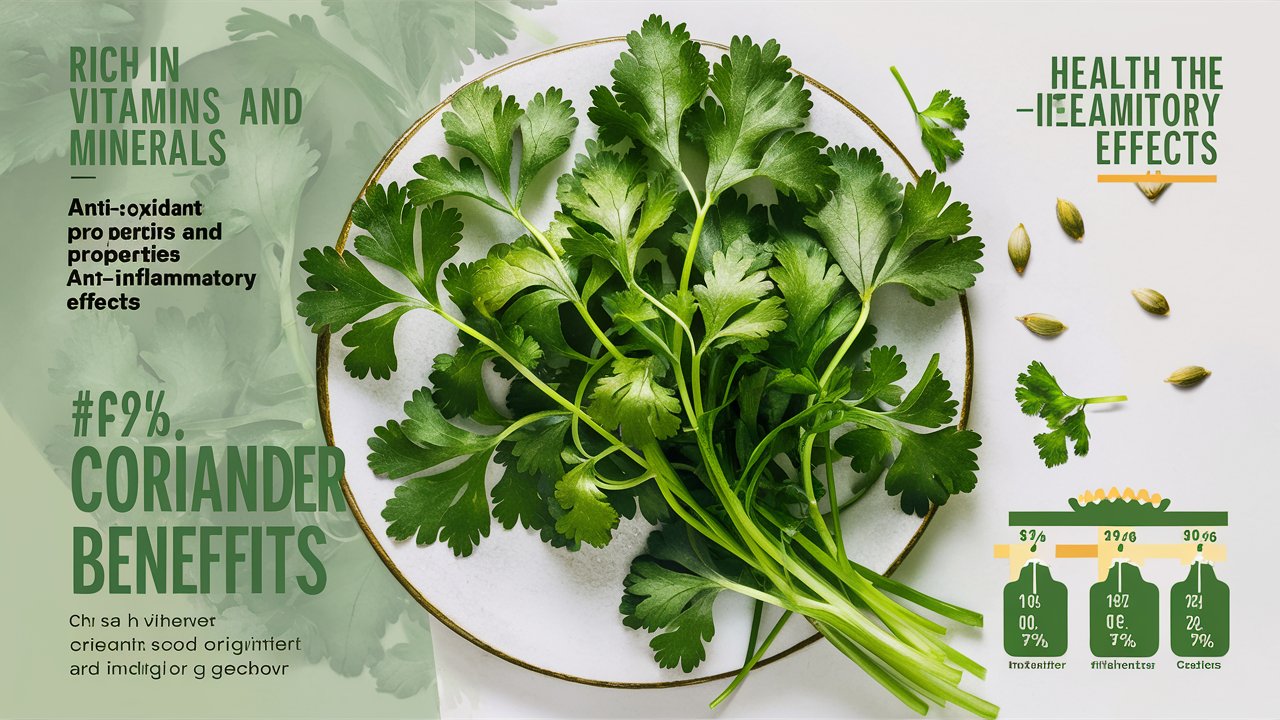
Koriandri: Health Benefits, Uses, and Nutritional Power of Coriander
Koriandri, commonly known as coriander, is one of the oldest and most widely used herbs and spices in the world. Known for its distinctive aroma and flavor, koriandri has been a staple in culinary traditions across Asia, the Middle East, and Europe for centuries. Beyond its culinary appeal, koriandri is also celebrated for its remarkable health benefits. It is rich in antioxidants, vitamins, and minerals that support digestion, heart health, and detoxification. Both the leaves (often called cilantro) and the seeds of are used in cooking and traditional medicine, making it a versatile ingredient with immense nutritional and therapeutic value. This article explores the origins, benefits, and uses of along with practical tips on how to incorporate it into a healthy lifestyle.
The Origin and History of Koriandri
Koriandri has a rich history that dates back thousands of years. It is believed to have originated in the Mediterranean region and was cultivated by ancient civilizations such as the Egyptians, Greeks, and Romans. Historical records show that koriandri seeds were even found in the tomb of Tutankhamun, highlighting its importance in ancient culture. Over time, koriandri spread across Asia and Europe, becoming a key ingredient in both Eastern and Western cuisines. In traditional medicine systems like Ayurveda and Chinese medicine has long been valued for its cooling, digestive, and detoxifying properties. Today, it continues to be a global favorite, appreciated for its flavor, aroma, and health-promoting qualities.
Nutritional Value of Koriandri
Koriandri is a powerhouse of nutrients packed into a small package. The seeds and leaves are both rich in essential vitamins and minerals. Coriander leaves contain high levels of vitamin C, vitamin K, and vitamin A, which are vital for immune function, bone health, and vision. The seeds, on the other hand, are abundant in dietary fiber, calcium, magnesium, iron, and manganese also contains powerful antioxidants such as quercetin and tocopherols, which help protect the body from oxidative stress and inflammation. Its essential oils, including linalool and borneol, contribute to its distinctive aroma and therapeutic effects, particularly in aiding digestion and reducing bloating.
Health Benefits of Koriandri
The health benefits of koriandri are extensive and supported by both traditional wisdom and modern research. One of its most well-known benefits is its ability to improve digestion. The natural oils in stimulate digestive enzymes and promote healthy gut function, making it effective against indigestion, gas, and bloating also supports heart health by helping to lower bad cholesterol (LDL) and increase good cholesterol (HDL). Its antioxidant properties protect the heart and blood vessels from oxidative damage. Additionally has detoxifying effects that help the body eliminate heavy metals and toxins. It also possesses antimicrobial and anti-inflammatory properties, which can help fight infections and reduce inflammation in the body.

Koriandri in Cooking
Koriandri is one of the most versatile ingredients in the kitchen. Both its seeds and leaves are used in a wide variety of dishes. The seeds are often toasted and ground into a spice that adds warmth and depth to curries, soups, and stews. They are also used in spice blends such as garam masala and curry powder. The fresh leaves, known as cilantro, are used as a garnish or flavor enhancer in salads, salsas, and sauces pairs well with ingredients like lime, garlic, and chili, making it a staple in cuisines from India and Mexico to the Middle East. Its refreshing flavor not only enhances taste but also aids digestion, making it a perfect addition to heavy or spicy meals.
Koriandri in Traditional Medicine
In traditional medicine, has been used for centuries to treat a variety of ailments. In Ayurveda, it is considered a cooling herb that balances the body’s internal heat and supports digestion. It is often used in herbal teas and tonics to relieve stomach discomfort and detoxify the liver. In Chinese medicine is believed to promote circulation and improve appetite. Modern herbalists also use extracts for their antibacterial and antifungal properties. Studies suggest that may help regulate blood sugar levels, making it beneficial for people with diabetes. Its calming effect on the nervous system also makes it useful for reducing anxiety and promoting relaxation.
Koriandri for Detoxification and Skin Health
One of the most remarkable benefits of is its ability to detoxify the body. The compounds in koriandri bind to heavy metals such as mercury and lead, helping to remove them from the body naturally. This detoxifying effect supports liver function and overall metabolic health is also beneficial for the skin due to its antibacterial and antioxidant properties. It helps reduce acne, rashes, and irritation while promoting a clear and radiant complexion. Drinking coriander-infused water or applying coriander paste to the skin can help soothe inflammation and rejuvenate the skin naturally.
Conclusion
Koriandri is much more than just a culinary herb—it is a natural powerhouse of nutrition and healing. From improving digestion and heart health to detoxifying the body and enhancing skin vitality, offers a wide range of benefits that make it an essential part of a healthy lifestyle. Its versatility in cooking and traditional medicine has made it a beloved ingredient across cultures for centuries. Whether used as a spice, garnish, or herbal remedy continues to prove that nature provides some of the most effective tools for maintaining health and well-being.
FAQs
1. What is koriandri?
Koriandri, also known as coriander, is a herb and spice derived from the plant Coriandrum sativum. Both its seeds and leaves are used in cooking and medicine.
2. What are the main health benefits of koriandri?
Koriandri improves digestion, supports heart health, detoxifies the body, regulates blood sugar, and promotes healthy skin.
3. How can koriandri be used in cooking?
Koriandri seeds can be ground into spice blends or used whole in curries and soups, while the fresh leaves (cilantro) are used as a garnish or flavor enhancer.
4. Is koriandri good for detoxification?
Yes, koriandri helps remove heavy metals and toxins from the body, supporting liver function and overall detoxification.
5. Can koriandri help with digestion?
Absolutely. The natural oils in koriandri stimulate digestive enzymes, reduce bloating, and improve gut health.
6. What nutrients are found in koriandri?
Koriandri is rich in vitamins A, C, and K, as well as minerals like calcium, magnesium, and iron. It also contains antioxidants and essential oils.
7. How can koriandri benefit the skin?
Koriandri’s antibacterial and antioxidant properties help reduce acne, soothe irritation, and promote a healthy, glowing complexion.
8. Is koriandri safe for daily use?
Yes, koriandri is safe for daily consumption when used in moderate amounts as part of a balanced diet. It is a natural and beneficial addition to everyday meals.