The Environmental Benefits of Using Mannacote in Your Garden or Farm
In the world of gardening and sustainable agriculture, Mannacote is rapidly gaining attention as an innovative slow-release fertilizer that provides lasting nutrition and supports soil health. Unlike traditional chemical fertilizers that deliver nutrients all at once — often leading to runoff, soil imbalance, and waste — Mannacote relies on a controlled-release technology to feed plants over weeks and even months. This gradual nutrient delivery can dramatically improve plant strength, reduce environmental impact, and create a more balanced growing system. Whether you’re a home gardener growing vegetables, a landscaper managing flower beds, or a large-scale farmer wanting to reduce labor and nutrient loss, Mannacote offers a powerful solution. In this article, we’ll dive deep into what Mannacote is, how it works, its advantages, and practical tips on how to apply it effectively.
What Is Mannacote and Why It Matters in Modern Gardening
Mannacote is a specially coated fertilizer that uses advanced technology to control how and when nutrients are released into the soil. According to the Mannacote product pages, its core granules are wrapped in a polymer-based coating that responds to soil moisture and temperature, ensuring a steady nutrient release over time rather than a sudden burst. This makes it significantly different from standard fertilizers, which often leach away nutrients or cause spikes that don’t correspond with plant uptake. By providing a long-term feeding schedule, Mannacote supports healthier plant development, deeper rooting, and more consistent growth.
The importance of Mannacote lies in its capacity to align fertilizer delivery with the real needs of plants, reducing wastage and environmental damage. Many gardeners struggle with the trade-off between efficiency and sustainability: synthetic fertilizers may be cheap and potent, but they often degrade soil structure over time, contribute to pollution, and require repeated application. Mannacote, on the other hand, is engineered to minimize those problems. Its controlled-release mechanism preserves soil life, supports beneficial microbes, and prevents rapid nutrient run-off, making it a compelling choice for eco-conscious growers.
How Mannacote Works: The Science Behind the Slow Release
At the heart of Mannacote is a coated granule technology. Each granule contains essential macronutrients such as nitrogen, phosphorus, and potassium, along with important microelements. These nutrients are enveloped by a semi-permeable polymer shell that interacts with soil moisture. As water penetrates the coating, nutrients slowly diffuse out at a controlled rate.
The release speed depends on environmental factors: when the soil is warm and moist, the granules release nutrients faster; when it’s cool or dry, the release slows down. This natural responsiveness ensures that plants receive nourishment exactly when they need it most, avoiding the nutrient “flush” common with conventional fertilizers.
Because of this mechanism, Mannacote provides sustained feeding for weeks or even months, reducing the need for frequent reapplication. Many formulations of Mannacote are designed to last 3- to 12-month cycles, depending on the product variant and environmental conditions.
Key Benefits of Mannacote for Gardeners and Farmers
-
Improved Soil Health
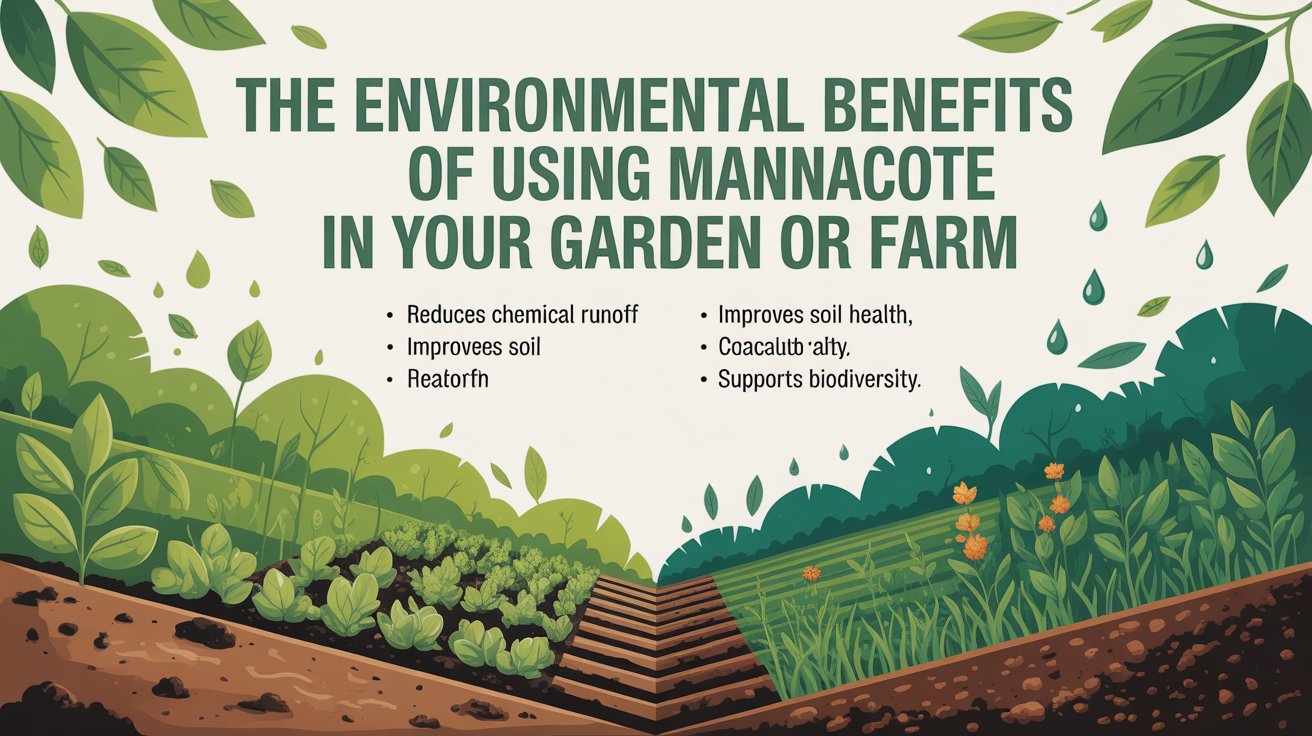
Mannacote’s slow nutrient release supports soil biota by avoiding nutrient overload. Over time, this promotes richer, more active soil — full of microbes, earthworms, and beneficial fungi — which helps plants absorb nutrients more efficiently. -
Reduced Waste & Environmental Impact
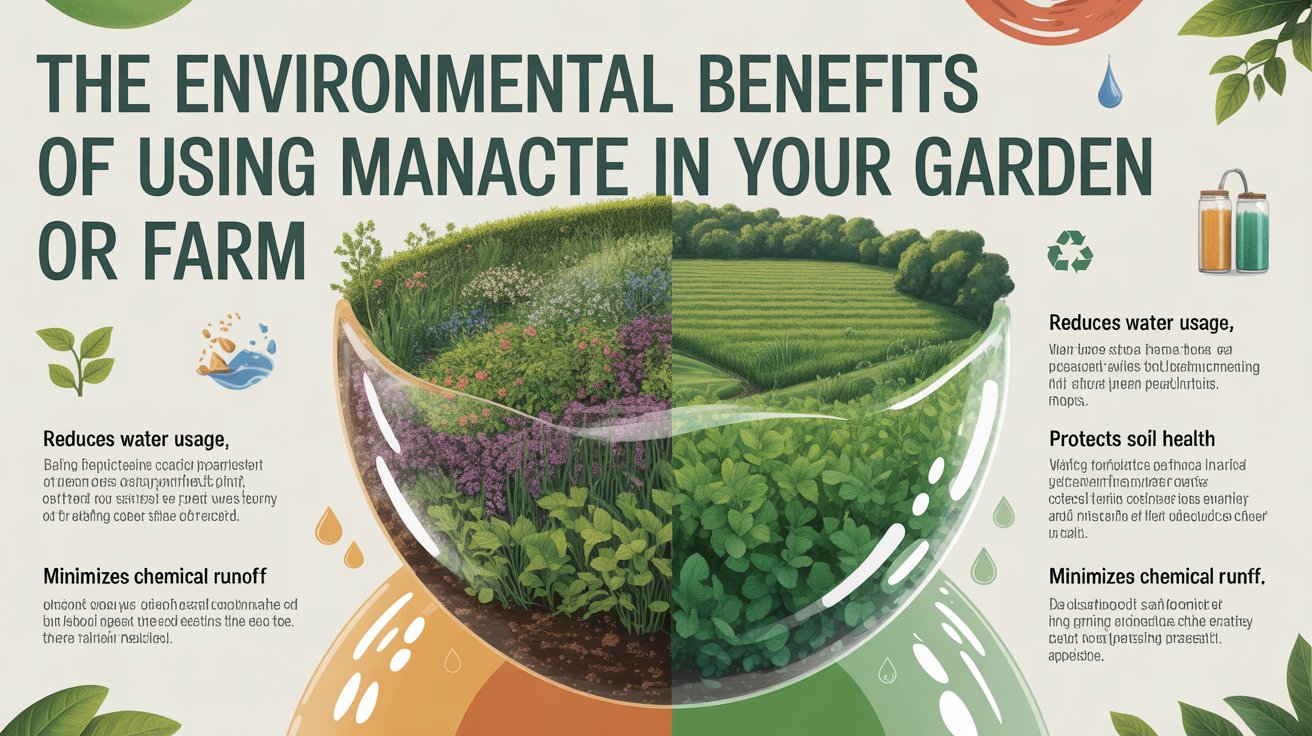
Since nutrients are dispensed in a controlled manner, less fertilizer is lost to runoff, reducing pollution in nearby waterways. Mannacote thus stands out as a more environmentally responsible option compared to many standard chemical fertilizers. -
Consistent Plant Growth
Plants fed with Mannacote benefit from stable nutrition, which supports stronger roots and healthier development from seedling to maturity. Users report more uniform growth, fewer nutrient deficiencies, and better stress resistance. -
Convenience & Labor Savings
Because Mannacote doesn’t need to be applied as often, gardeners and farmers spend less time re-feeding — freeing them up to focus on other tasks, whether it’s harvesting, pruning, or planting. -
Better Environmental Stewardship
For growers who prioritize sustainable practices, Mannacote offers a way to support long-term soil health, reduce chemical exposure, and minimize their ecological footprint.
How to Use Mannacote: Application Tips & Best Practices
To get the most from Mannacote in your garden or farm, follow these best practices:
-
Soil Test Before Use: Before applying, test your soil to understand its current nutrient levels. This helps you choose the right Mannacote formulation and avoid over- or under-fertilizing.
-
Apply at the Right Time: The ideal moment to use Mannacote is either before planting (incorporate granules into the soil) or as a top-dress for established plants. For long-term crops, applying at the beginning of the season gives plants a continuous nutrient supply.
-
Place Near Roots: When applying, distribute the granules evenly in the root zone. This ensures the nutrients are in proximity to where roots can uptake them.
-
Water Appropriately: Because Mannacote’s release depends on moisture, watering helps activate the polymer coating. However, avoid overwatering, as too much water may cause rapid release or wash-out.
-
Combine With Organic Matter: Pair Mannacote with compost or mulch to improve soil structure and boost microbial activity, which in turn supports nutrient uptake.
-
Follow Manufacturer’s Instructions: Use the recommended rate and frequency. Different variants (3-month, 6-month, 12-month) have different guidelines.
When and Where Is Mannacote Most Useful?
Mannacote is ideal for a variety of growing scenarios:
-
Vegetable Gardens: For annuals like tomatoes, peppers, or lettuces, Mannacote provides consistent nutrition throughout the growing season.
-
Ornamental Flower Beds: It supports strong blooms and healthy foliage with minimal intervention.
-
Container Gardening: In pots where nutrients leach out more frequently, Mannacote reduces the need for constant fertilization.
-
Commercial Farming: Farmers benefit from labor savings and reduced environmental impact, especially on large-scale operations.
-
Landscaping: Landscapers can use it for long-term plantings, reducing maintenance and improving soil health.
Potential Drawbacks & Things to Consider
While Mannacote offers many benefits, it’s not without limitations:
-
Upfront Cost: Because of its advanced technology, Mannacote may be more expensive initially compared to conventional fertilizer. However, the reduced frequency of application and waste can offset that cost over time.
-
Slow-Release Means Slow Results: If you’re looking for an immediate fertilizing effect (e.g., rapid greening), Mannacote may not deliver as instantly as a soluble fertilizer.
-
Environmental Dependency: The nutrient release rate depends on soil moisture and temperature, so it may vary in different climates or seasons.
-
Not a Complete Soil Solution: While it provides nutrients, Mannacote doesn’t replace the benefits of organic matter — you’ll still want compost, mulch, and good soil practices.
Conclusion
In a world where sustainable gardening is becoming more than just a trend, Mannacote stands out as a smart, science-driven solution for long-term plant nutrition. Its controlled-release technology ensures that nutrients are delivered steadily, reducing waste, protecting soil health, and simplifying maintenance for both hobby gardeners and professional growers. By integrating Mannacote into your fertilizing routine, you are not only supporting stronger, healthier plants — but also contributing to a more eco-conscious way of growing. Whether you’re aiming for a lush vegetable patch, vibrant floral beds, or low-maintenance landscape installations, Mannacote offers a powerful and responsible choice for modern gardening.