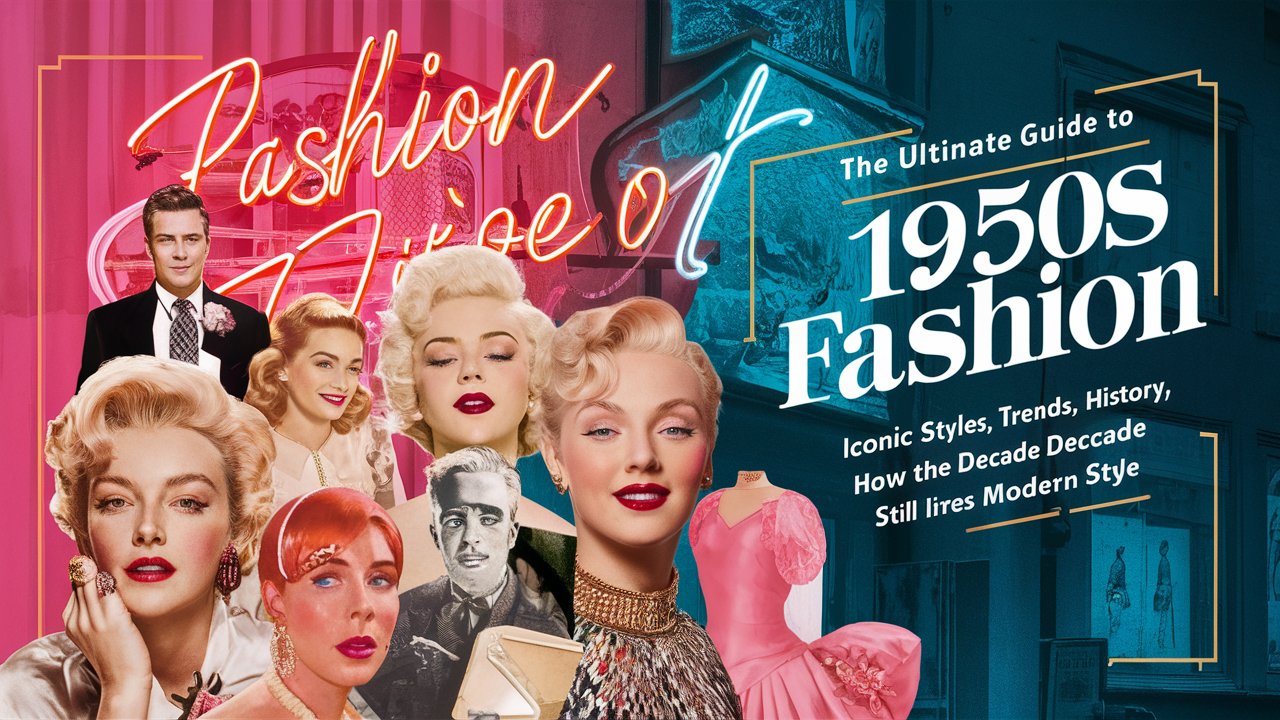
The Ultimate Guide to 1950s Fashion: Iconic Styles, Trends, History, and How the Decade Still Inspires Modern Style
1950s fashion remains one of the most iconic and celebrated eras in style history because it reflects a unique blend of elegance, femininity, structure, and cultural change that shaped the modern fashion world. After the hardships of World War II, society entered a period filled with optimism, prosperity, and renewed interest in personal appearance, which led to an explosion of creativity in clothing, accessories, and beauty standards. The 1950s introduced timeless silhouettes such as full circle skirts, cinched waists, poodle skirts, leather jackets, saddle shoes, fitted suits, and glamorous evening gowns. Hollywood played a major role in popularizing these looks, with stars like Marilyn Monroe, Audrey Hepburn, Elvis Presley, and James Dean becoming fashion icons. The decade also saw contrasting styles—from polished housewife dresses to rebellious rock ’n’ roll outfits—reflecting both tradition and youth culture. This comprehensive guide dives deep into trends, key clothing items, accessories, beauty looks, and the lasting impact of the decade on modern style.
1. The History and Rise of 1950s Fashion Trends
Keywords: 1950s fashion history, post-war fashion, 50s style trends
The history of 1950s fashion is rooted in the cultural shift that occurred after World War II, when people around the world sought stability, creativity, and comfort after years of rationing and limited access to luxury goods. Designers like Christian Dior sparked a revolution with the “New Look,” a style characterized by nipped waists, voluminous skirts, and an exaggerated hourglass silhouette that reintroduced femininity and luxury to women’s clothing. This iconic look influenced the entire decade, making structured garments, intricate detailing, and high-quality fabrics the standard. At the same time, mass production and rising consumer culture made clothing more accessible than ever before, allowing everyday women and men to adopt new trends quickly. The landscape was shaped not only by designers but also by Hollywood films, television, advertising, music, and youth rebellion, creating a dynamic period where style became a major form of identity.
2. Key Elements of 1950s Women’s Fashion and Iconic Silhouettes
Keywords: 1950s women’s fashion, 1950s dresses, 50s silhouettes
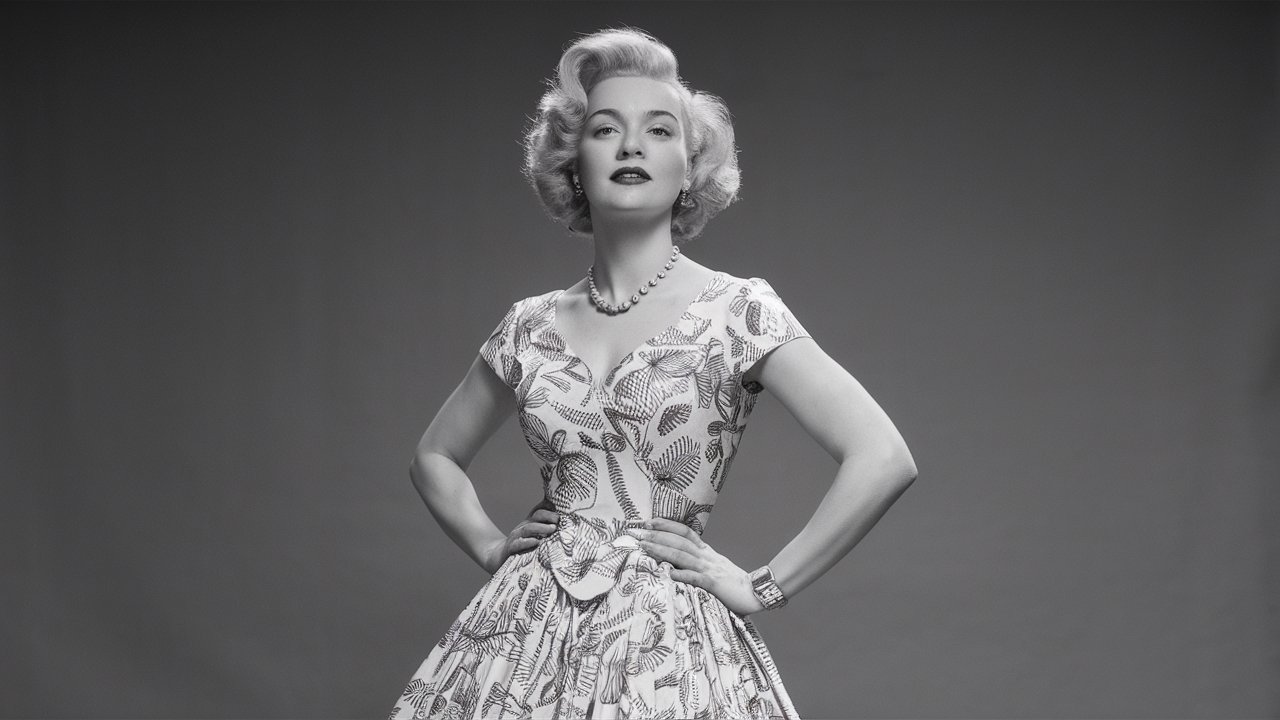
Women’s fashion in the 1950s was defined by elegance, structure, and the celebration of the feminine form. The most iconic 1950s dresses included full swing dresses, tea-length gowns, pencil dresses, day dresses, shirtwaist dresses, and glamorous evening styles that emphasized the waist and accentuated curves. Swing dresses and circle skirts created movement and drama, especially when worn with crinoline petticoats that added volume and flair. Pencil skirts and fitted dresses offered a sleek, sophisticated alternative for women who preferred a more streamlined look. Fabrics such as cotton, wool, satin, chiffon, and taffeta were widely used, while prints like polka dots, checkered patterns, florals, and stripes became highly popular. These silhouettes not only defined the decade but continue to inspire retro fashion lovers, designers, and vintage clothing collectors today.
3. 1950s Men’s Fashion: Classic Looks and Rebellious Youth Culture
Keywords: 1950s men’s fashion, 50s menswear, greaser fashion
1950s men’s fashion showcased both traditional sophistication and youthful rebellion, creating a rich contrast between mainstream styles and emerging subcultures. Classic 1950s menswear featured tailored suits, crisp dress shirts, wide lapels, fedoras, trench coats, polished shoes, and cardigan sweaters that reflected the era’s emphasis on professionalism and refinement. Colors such as gray, navy, brown, and subtle pinstripes dominated office and formal wear. Meanwhile, the rise of rock ’n’ roll introduced rebellious styles known as “greaser fashion,” made popular by figures like James Dean and Marlon Brando. This look included leather jackets, white T-shirts, denim jeans, boots, slicked-back hair, and a tough, relaxed attitude that symbolized youth independence. The coexistence of polished menswear and edgy street style made 1950s men’s fashion both diverse and influential, shaping many modern trends still seen in films, runways, and everyday outfits.
4. Popular 1950s Fashion Accessories That Completed Every Outfit
Keywords: 1950s accessories, vintage accessories, retro fashion details
Accessories played a crucial role in completing 1950s outfits and adding personality to both men’s and women’s fashion. Women often wore gloves, cat-eye sunglasses, pearl necklaces, brooches, silk scarves, headbands, and small structured handbags to complement their elegant clothing. Shoes such as saddle shoes, kitten heels, ballet flats, and peep-toe heels were stylish and practical options that matched different looks. Men accessorized with classic ties, cufflinks, pocket squares, hats, and polished dress shoes, which added a refined touch to their attire. Hairstyles and makeup also acted as accessories—women’s curled hair, red lipstick, and winged eyeliner became defining elements of 1950s beauty. The careful coordination of accessories helped create cohesive, polished outfits that embodied the charm and sophistication of the decade.
5. Iconic Fabrics, Patterns, and Colors of the 1950s
Keywords: 1950s fabrics, 50s patterns, retro colors
The 1950s embraced a wide variety of fabrics, patterns, and color palettes that contributed to the decade’s vibrant and stylish identity. Popular fabrics included cotton, satin, lace, wool, tweed, taffeta, and polyester, which was just beginning to gain popularity as a modern synthetic option. Patterns such as polka dots, gingham, stripes, floral prints, houndstooth, and atomic-inspired motifs became trendy due to the growing influence of advertising and mid-century design. The color palette ranged from soft pastels like mint green, baby pink, and powder blue to bold shades such as cherry red, mustard yellow, emerald green, and black-and-white combinations. These elements gave 1950s fashion its playful yet polished aesthetic, making outfits visually appealing and highly recognizable even decades later.
6. Hollywood Influence on 1950s Fashion and Global Style
Keywords: 1950s Hollywood fashion, Marilyn Monroe style, Audrey Hepburn fashion
Hollywood was one of the most powerful influences on shaping trends and inspiring millions of fans worldwide. Actresses like Marilyn Monroe popularized glamorous fitted dresses, plunging necklines, and luxurious evening gowns that highlighted curves and confidence. Audrey Hepburn introduced a more minimalist, refined style with her elegant little black dress, cropped pants, ballet flats, and classic silhouettes featured in films like Breakfast at Tiffany’s and Roman Holiday. Male stars such as Elvis Presley and James Dean brought youthful energy and rebellious flair to fashion, influencing everything from hairstyles to casual wear. The widespread popularity of cinema made Hollywood icons the trendsetters of the decade, and their fashion choices continue to inspire modern designers, celebrities, and vintage enthusiasts.
7. Teenage Fashion in the 1950s and the Birth of Youth Style Culture
Keywords: 1950s teen fashion, youth culture 1950s, rock and roll fashion
The 1950s marked the birth of teenage fashion as a powerful cultural force, driven by the rise of rock ’n’ roll music, school dances, and the desire for individuality among young people. Teens embraced playful and comfortable clothing such as poodle skirts, cardigans, letterman jackets, rolled-up jeans, saddle shoes, and colorful sweaters. Girls incorporated fun prints, ribbons, and full skirts into their wardrobe, while boys adopted casual T-shirts, denim jackets, loafers, and hairstyles like the iconic pompadour. This new focus on youth culture disrupted traditional fashion norms and set the foundation for future trends that would continue to evolve in the 1960s and beyond. The teen-focused style of the 1950s remains a nostalgic and highly recognizable part of fashion history.
8. Social and Cultural Influences That Shaped 1950s Fashion
Keywords: cultural influences on 1950s fashion, post-war culture, mid-century style influences
1950s fashion was heavily influenced by social, economic, and cultural shifts that emerged after World War II. Consumerism grew rapidly as families enjoyed rising incomes, increased leisure time, and access to new products. Advertisements, magazines, and television shows promoted idealized images of beauty, femininity, and domestic life, encouraging people to dress stylishly in both public and private settings. The rise of suburban living also played a role, as homeowners desired polished appearances that reflected their aspirations. International influences from Europe, particularly Parisian couture, brought sophistication and luxury to American fashion. Meanwhile, technological advancements in fabrics and garment production made stylish clothing more affordable and widely available. These cultural forces created a fashion landscape that blended tradition, ambition, and innovation in ways that continue to shape modern style.
9. How 1950s Fashion Continues to Inspire Modern Designs
Keywords: modern fashion inspired by the 1950s, 1950s fashion influence, retro fashion revival
The impact of 1950s fashion can still be seen in today’s runway shows, celebrity outfits, and everyday styles, demonstrating the timeless appeal of mid-century design. Modern designers frequently incorporate 1950s silhouettes, patterns, and details into their collections, such as cinched waists, circle skirts, polka dots, and vintage-inspired accessories. Retro fashion brands have revived swing dresses, cardigan sets, cat-eye sunglasses, and high-waisted pants, making them popular among vintage enthusiasts and fashion influencers. The elegance and femininity of continue to resonate with modern audiences who appreciate timeless classics and nostalgic aesthetics. This enduring influence proves that is not just history—it is an ongoing source of creativity and style innovation.
10. How to Wear 1950s Fashion Today: Tips for a Modern Retro Look
Keywords: how to wear 1950s fashion, modern retro outfits, vintage-inspired looks
Incorporating 1950s fashion into modern outfits is easier than ever, thanks to the availability of vintage pieces and retro-inspired clothing. A modern 1950s look can be achieved by pairing a circle skirt with a fitted blouse, adding a belt to define the waist, or choosing polka-dot prints and pastel colors. Accessories such as cat-eye sunglasses, pearl earrings, and classic handbags instantly add a retro touch. For men, blending 1950s elements like cuffed jeans, leather jackets, bowling shirts, or tailored suits creates a stylish balance between vintage and contemporary fashion. The key to wearing 1950s-inspired looks today is to mix vintage charm with modern styling to create a fresh, timeless appearance that fits today’s lifestyle.
Conclusion: The Timeless Beauty and Influence of 1950s Fashion
1950s fashion remains a beloved and influential chapter in style history because it represents a perfect blend of glamour, structure, creativity, and cultural significance. The decade introduced iconic silhouettes, bold accessories, vibrant patterns, and beauty trends that continue to inspire modern designers and fashion lovers. Whether you appreciate the elegance of swing dresses, the rebellious edge of greaser fashion, or the simplicity of vintage accessories, the 1950s offers endless inspiration for personal style. By understanding its history, key elements, and cultural context, you can fully appreciate why 1950s fashion continues to hold a powerful place in the world of fashion today.
FAQs About 1950s Fashion
1. What clothing styles were most popular in the 1950s?
Swing dresses, pencil skirts, poodle skirts, tailored suits, leather jackets, and denim became some of the most iconic fashion items of the decade.
2. What fabrics were commonly used in 1950s fashion?
Cotton, wool, satin, taffeta, lace, and early synthetic fabrics like polyester were widely used.
3. Who were the most famous 1950s fashion icons?
Marilyn Monroe, Audrey Hepburn, Elvis Presley, and James Dean greatly influenced fashion trends.
4. What patterns were popular in 1950s clothing?
Polka dots, gingham, florals, stripes, and bold atomic prints dominated the era.
5. How can I create a 1950s-inspired outfit today?
Focus on high-waisted skirts or pants, fitted tops, retro accessories like cat-eye sunglasses, and classic hairstyles for an authentic yet modern look.