The Ultimate Guide to Dental Crowns: Types, Procedure, Benefits, and Aftercare
A dental crown is one of the most common and effective restorative dental treatments used to protect, strengthen, and enhance the appearance of damaged or weakened teeth. Whether caused by decay, trauma, or wear, a compromised tooth can lead to discomfort and functional issues. A dental crown acts as a protective cap that covers the entire visible portion of the tooth, restoring its shape, size, and strength while improving its appearance. Modern dental crowns are designed to look and feel like natural teeth, offering both durability and aesthetic appeal. This comprehensive guide explores everything about dental crowns—their types, procedure, benefits, cost, and aftercare—to help patients make informed decisions about their oral health.
What Is a Dental Crown?
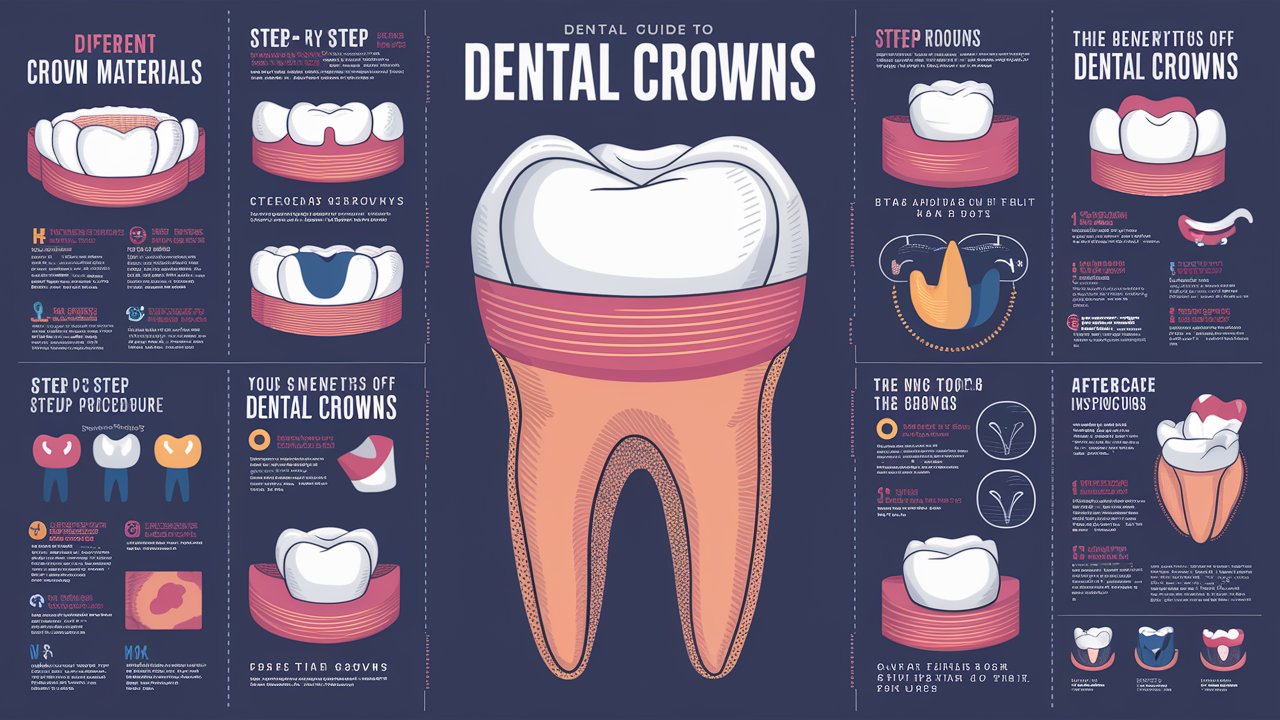
A dental crown is a custom-made cap placed over a tooth to restore its structure, function, and appearance. It is typically used when a tooth is too damaged for a filling but not damaged enough to require extraction. Dental crowns can be made from various materials, including porcelain, ceramic, metal, or a combination of both. They are cemented permanently onto the tooth, providing long-term protection and stability. Crowns are commonly used after root canal treatments, to cover dental implants, or to support dental bridges. They not only strengthen the tooth but also enhance its appearance, making them a popular choice for both restorative and cosmetic dentistry.
Types of Dental Crowns
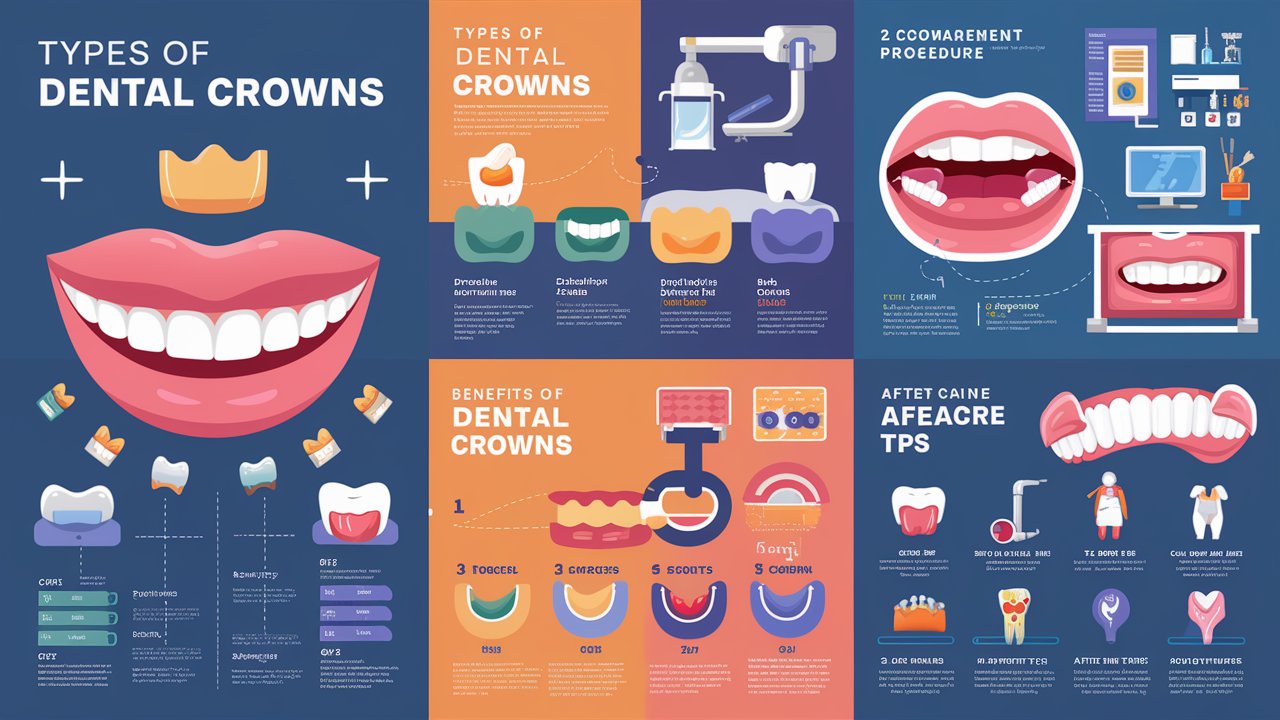
There are several types of dental crowns, each offering unique advantages depending on the patient’s needs, preferences, and budget.
- Porcelain Crowns: These crowns are highly aesthetic and mimic the natural color and translucency of teeth, making them ideal for front teeth restorations.
- Ceramic Crowns: Similar to porcelain, ceramic crowns are metal-free and biocompatible, suitable for patients with metal allergies.
- Metal Crowns: Made from gold, platinum, or base metal alloys, these crowns are extremely durable and resistant to wear, making them ideal for molars that endure heavy chewing.
- Porcelain-Fused-to-Metal (PFM) Crowns: These combine the strength of metal with the natural look of porcelain, offering a balance between durability and aesthetics.
- Zirconia Crowns: Known for their exceptional strength and natural appearance, zirconia crowns are becoming increasingly popular for both front and back teeth.
Each type of crown has its own benefits, and the choice depends on factors such as tooth location, aesthetic goals, and budget.
When Is a Dental Crown Needed?
A dental crown is recommended in several situations where a tooth’s structure or function is compromised. Common reasons include protecting a weak tooth from breaking, restoring a broken or severely worn-down tooth, covering a tooth after a root canal, or supporting a dental bridge. Crowns are also used to cover dental implants or to improve the appearance of discolored or misshapen teeth. In cosmetic dentistry, crowns can transform a smile by providing uniformity and brightness. Essentially, whenever a tooth requires reinforcement or aesthetic enhancement, a dental crown offers a reliable and long-lasting solution.
The Dental Crown Procedure
The process of getting a dental crown typically involves two main appointments. During the first visit, the dentist examines and prepares the tooth by removing any decay and shaping it to fit the crown. Impressions of the tooth are then taken to create a custom crown that matches the patient’s bite and natural tooth color. A temporary crown is placed to protect the tooth while the permanent one is being fabricated in a dental lab. At the second appointment, the temporary crown is removed, and the permanent crown is carefully fitted, adjusted, and cemented into place. The result is a restored tooth that looks and functions just like a natural one.
Benefits of Dental Crowns
The benefits of dental crowns extend beyond aesthetics. One of the primary advantages is protection—crowns shield weakened teeth from further damage or decay. They also restore full chewing and biting function, allowing patients to eat comfortably. Crowns improve the appearance of teeth by covering discoloration, chips, or irregular shapes, contributing to a more confident smile. Additionally, crowns can last for many years with proper care, making them a cost-effective long-term solution. They also play a crucial role in maintaining dental alignment and preventing shifting of adjacent teeth, which helps preserve overall oral health.
Cost of Dental Crowns
The cost of dental crowns varies depending on the material used, the complexity of the procedure, and the dentist’s location. On average, the cost ranges from $800 to $2,500 per tooth. Porcelain and zirconia crowns tend to be more expensive due to their aesthetic qualities, while metal crowns are generally more affordable. Dental insurance may cover part of the cost if the crown is deemed medically necessary. Many dental clinics also offer financing options or payment plans to make the treatment more accessible. While the initial investment may seem high, the durability and long-term benefits of dental crowns make them a worthwhile choice for restoring oral health.
Caring for Dental Crowns
Proper care is essential to extend the lifespan of a dental crown. Although crowns are durable, they still require good oral hygiene to prevent decay and gum disease around the crowned tooth. Brushing twice daily with a soft-bristled toothbrush and fluoride toothpaste helps maintain cleanliness. Flossing around the crown is equally important to remove plaque buildup. Avoid chewing hard foods, ice, or non-food items that could damage the crown. Regular dental checkups and professional cleanings ensure that the crown remains in good condition and that any issues are detected early. With proper care, dental crowns can last 10 to 15 years or even longer.
Common Problems and Solutions with Dental Crowns
While dental crowns are highly reliable, some issues can arise over time. A crown may become loose if the cement weakens, or it may chip or crack due to excessive force. In some cases, patients may experience sensitivity after the procedure, especially if the underlying tooth’s nerve is still active. These problems are usually minor and can be easily addressed by a dentist. Using a night guard can prevent damage from teeth grinding, and maintaining good oral hygiene helps prevent decay around the crown’s edges. Regular dental visits ensure that any potential problems are managed promptly, preserving the crown’s integrity and function.
Advantages of Modern Dental Crown Technology
Advancements in dental technology have revolutionized the way dental crowns are made and fitted. Digital impressions and CAD/CAM (Computer-Aided Design and Manufacturing) technology allow dentists to create precise, custom crowns in a single visit. These same-day crowns eliminate the need for temporary crowns and multiple appointments. Modern materials like zirconia and lithium disilicate offer superior strength and aesthetics, closely mimicking natural enamel. These innovations have made dental crowns more comfortable, durable, and visually appealing than ever before, ensuring patients receive the best possible results with minimal inconvenience.
Conclusion
A dental crown is a versatile and effective solution for restoring damaged, weakened, or aesthetically compromised teeth. It not only enhances the appearance of a smile but also strengthens and protects the underlying tooth structure. With various materials and advanced techniques available, dental crowns can be customized to meet individual needs and preferences. Whether used for restorative or cosmetic purposes, crowns provide long-lasting results that improve both function and confidence. By maintaining good oral hygiene and regular dental visits, patients can enjoy the benefits of their dental crowns for many years, ensuring a healthy and radiant smile.
Frequently Asked Questions (FAQ)
1. How long do dental crowns last?
With proper care, dental crowns can last between 10 and 15 years, and in some cases, even longer. Regular dental checkups and good oral hygiene help extend their lifespan.
2. Are dental crowns painful to get?
The procedure is performed under local anesthesia, so patients typically experience little to no pain. Some mild sensitivity may occur afterward but usually subsides within a few days.
3. Can a dental crown fall off?
Yes, a crown can become loose or fall off if the cement weakens or if there is decay underneath. If this happens, it’s important to see a dentist immediately for re-cementing or replacement.
4. What is the best material for a dental crown?
The best material depends on the tooth’s location and the patient’s needs. Porcelain and zirconia crowns are ideal for visible teeth due to their natural appearance, while metal crowns are best for molars that require extra strength.
5. How do I care for my dental crown?
Maintain good oral hygiene by brushing and flossing daily, avoid chewing hard objects, and visit the dentist regularly for checkups and cleanings. Proper care ensures the crown remains strong and functional for years.
6. Are dental crowns covered by insurance?
Most dental insurance plans cover part of the cost of crowns if they are medically necessary. Cosmetic crowns may not be fully covered, so it’s best to check with the insurance provider for details.